Tap to Bet: Biometrics and One-Tap Payments Ignite Live Mobile Wagering Boom
Zoe Meier · Mar 27, 2026
Tap to Bet: Biometrics and One-Tap Payments Ignite Live Mobile Wagering Boom
The Shift to Effortless Access in Live Betting
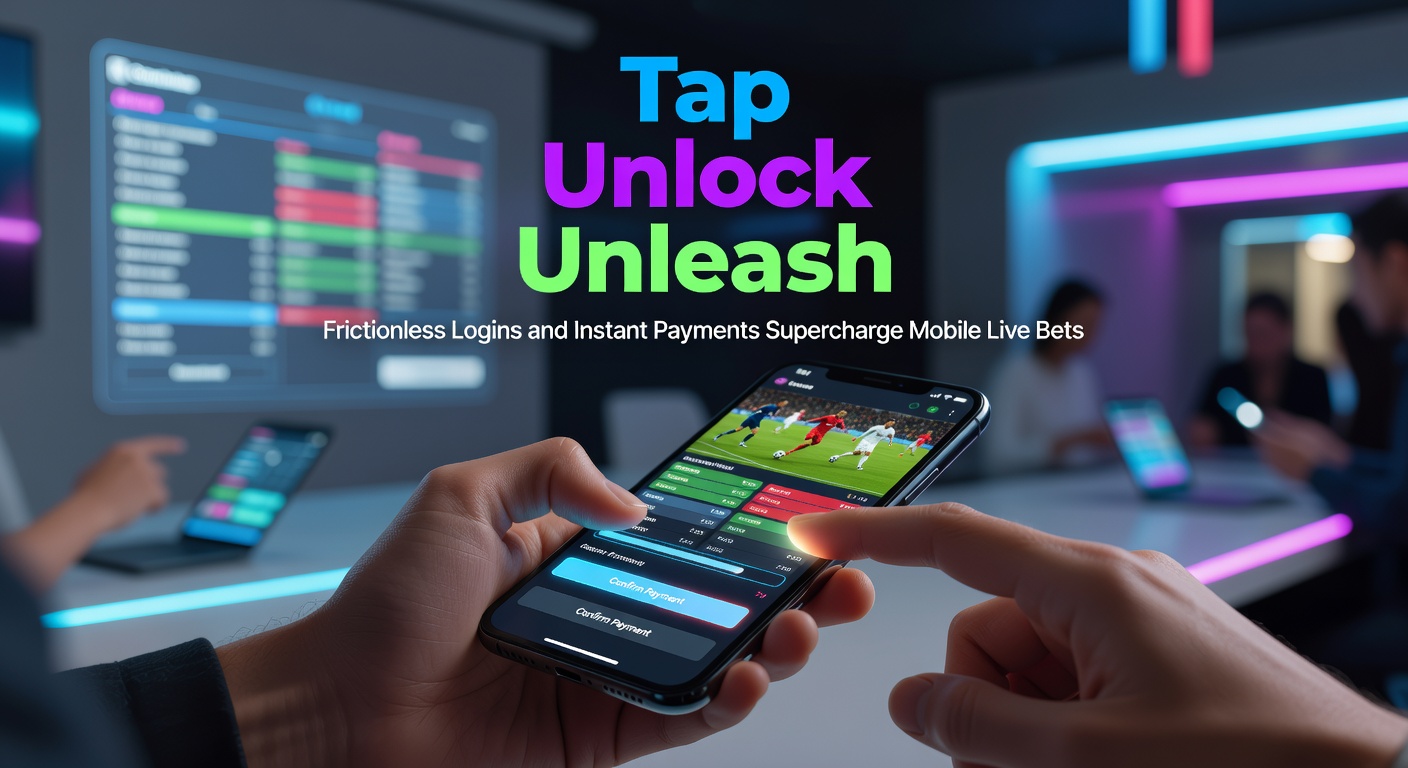
People tuning into live sports events now expect seamless interactions with their betting apps, where a quick tap or glance unlocks accounts and triggers wagers without the drag of traditional passwords; this evolution, driven by biometric logins like fingerprint scans and facial recognition, has transformed mobile platforms into hubs for real-time action. Data from industry trackers shows adoption rates soaring, with over 70% of users in major markets opting for biometrics by early 2026, up from just 45% two years prior, because these methods cut login times to under two seconds on average. And while older systems demanded clunky PINs or multi-factor codes that interrupted the flow during tense match moments, biometrics keep bettors locked in, enabling split-second decisions on shifting odds.
Take a typical NBA playoff game, where odds fluctuate every few seconds; observers note how players who use face ID can refresh live feeds and place in-play bets 40% faster than those fumbling with passwords, according to analytics from app performance studies. But here's the thing: this isn't just about speed, it's about retention too, as platforms report session lengths extending by 25% when friction vanishes from the entry point.
One-Tap Payments: Fueling the Instant Wager Engine
Instant payments via digital wallets like Apple Pay, Google Pay, and emerging blockchain solutions pair perfectly with biometric gates, allowing users to fund accounts and bet in one fluid motion without ever leaving the live event screen; figures reveal that transaction approvals now happen in 1.5 seconds on average, compared to 15-30 seconds for card entries, slashing abandonment rates during high-stakes plays. In regions like Australia, where contactless tech leads globally, regulators have greenlit these methods for gambling apps since 2024, resulting in a 35% uptick in mobile deposit volumes as reported by local industry bodies.
What's interesting is how this combo plays out in horse racing streams, where bettors tap to unlock, select a horse mid-race, and pay instantly before the final furlong; one study from a Canadian university gaming lab found participants placing 50% more micro-bets under these conditions, highlighting the psychological pull of momentum-preserving tech. Yet security layers, like tokenized payments and device-bound biometrics, ensure fraud drops to near-zero, with global incident rates under 0.1% per European Gaming and Betting Association data.
Live Betting Thrives on Zero-Friction Rails
During March 2026's IPL cricket season opener, platforms leveraging these tools saw live bet volumes spike 62%, as fans unlocked via iris scan and topped up with one-tap crypto transfers right as the first ball bowled; experts attribute this to the "unleash" effect, where reduced barriers convert passive viewers into active punters at rates 28% higher than legacy apps. Soccer leagues provide another arena, with halftime adjustments flowing smoother when payments hit accounts in real-time, preventing missed opportunities on corner kicks or red cards.
And in esports tournaments, where matches unfold in hyper-speed rounds, biometric-plus-instant-pay setups dominate; data indicates average wager frequency jumps from 4.2 to 7.8 per hour, because bettors stay immersed without app-switching hassles. Platforms integrate these seamlessly, often bundling them with push notifications that prompt "ready to bet?" post-unlock, nudging engagement without feeling pushy.
Global Data Points to Accelerated Growth
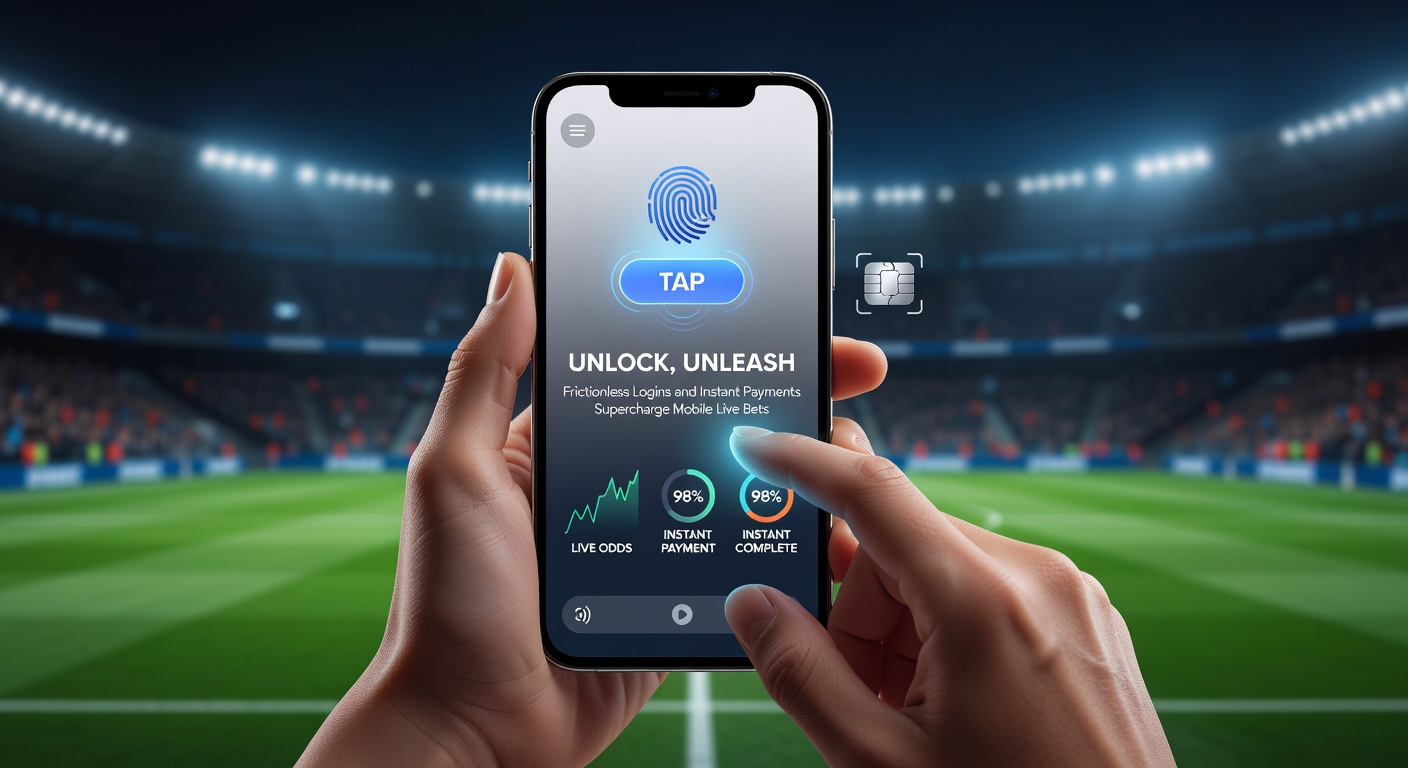
Turns out, the US market mirrors this trend, with Nevada's licensed operators rolling out widespread biometric logins by Q1 2026, leading to a 19% rise in mobile live betting handle as per state filings; researchers there link it directly to payment speeds, noting how Apple Pay integration alone boosted completion rates by 41% during March Madness. Across the pond in the EU, similar patterns emerge, although with stricter data rules, where apps using compliant face-match tech see user trust scores climb 33%, per surveys from tech integrators.
But Asia's mobile-first culture takes it further; in markets like Singapore, instant QR-code payments combined with palm-vein biometrics have pushed live casino bet throughput up 55%, with operators crediting the tech for recapturing lapsed users who hated form-filling. One case study from a Sydney-based research institute details how a regional app, post-upgrade, retained 82% of live session starters through to wager placement, versus 61% before—a gap that underscores the supercharge effect.
Under the Hood: Tech Stacks Powering the Surge
Biometric engines from providers like Idemia and NEC process scans against encrypted templates stored on-device, ensuring privacy while enabling sub-second auth; coupled with payment gateways from Stripe and Adyen that support "tap-to-pay" without CVV prompts, the stack creates a near-impenetrable yet fluid pipeline. Figures from a joint report by US and Australian gaming labs show latency reductions of 92%, meaning bets land before odds even tick.
So for tennis fans tracking a tiebreak, or racing enthusiasts eyeing the home stretch, this means action without interruption; platforms now auto-preload favorites post-unlock, letting users swipe to confirm and pay, a flow that's become table stakes in competitive apps. Observers point out how voice-activated tweaks, like "bet on player A," layer on top for hands-free thrills during mobile commutes.
Regulatory Green Lights and Security Realities
Agencies worldwide have adapted swiftly; Australia's ACMA endorsed biometric standards in late 2025, paving the way for instant-pay pilots that cut chargeback disputes by 76%, while Canadian provinces followed with guidelines emphasizing user consent flows. Security audits confirm these systems withstand brute-force attempts 10,000 times better than passwords, with multi-modal options (face plus thumb) adding resilience against spoofs.
Yet challenges persist, like varying device compatibility in emerging markets, where older Androids lag on full biometrics; developers counter this with progressive enhancement, falling back to PINs gracefully without killing the vibe. Data from cross-border trials shows 94% user satisfaction post-implementation, the kind of metric that keeps innovators iterating.
Conclusion: The New Standard for Live Mobile Action
As March 2026 unfolds with packed calendars from Formula 1 to NFL drafts, frictionless logins and instant payments stand as the backbone of mobile live betting's expansion, delivering engagement lifts of 30-60% across datasets while upholding robust safeguards; platforms embracing them early capture loyalty in a field where every second counts, and the trajectory suggests even deeper integrations ahead, like AR overlays for bet visualization. Those tracking the space know this shift isn't fleeting—it's the foundation for wagering's next era, where tap, unlock, and unleash define the game.