Unified Entry Systems Facilitate Rapid Financial Transactions During Live Football Action, Horse Racing Segments, and Casino Broadcasts
Leon Schwarz · Oct 25, 2026
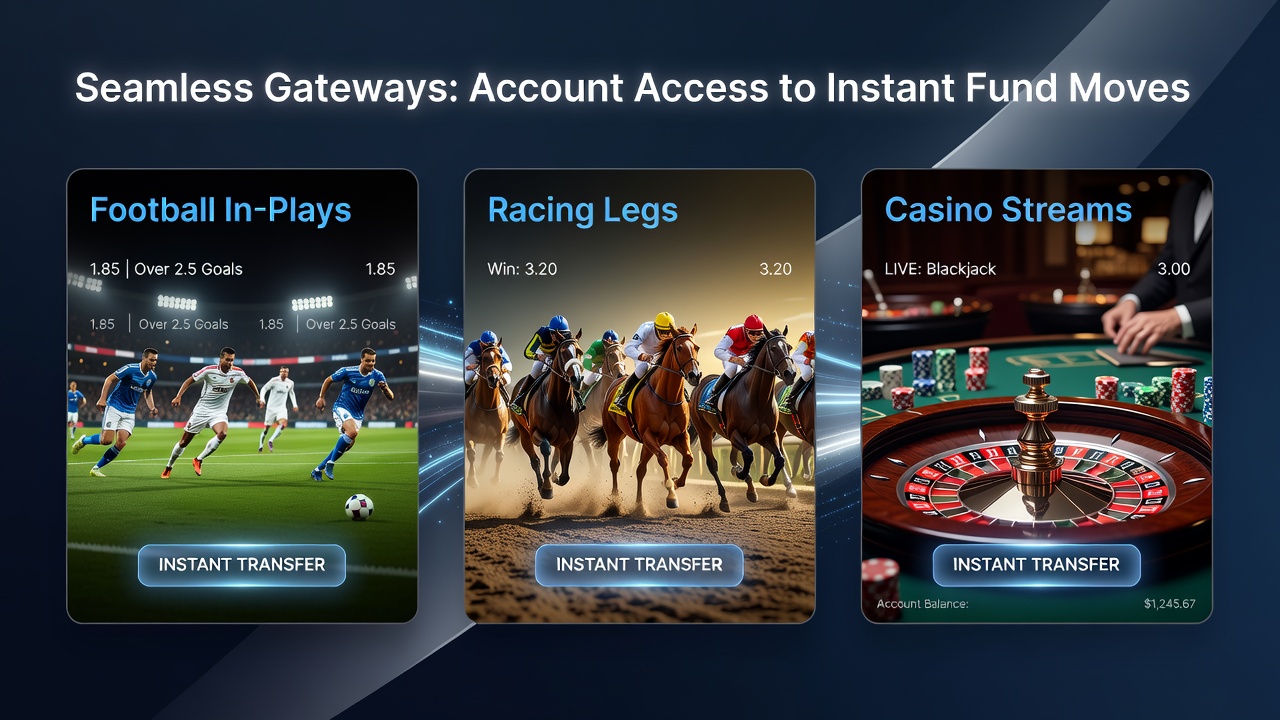
Unified Entry Systems Facilitate Rapid Financial Transactions During Live Football Action, Horse Racing Segments, and Casino Broadcasts
Operators have rolled out unified entry systems that connect user authentication directly to payment processing, allowing participants to move funds into active sessions without leaving the interface. These gateways operate across football in-play markets, individual racing legs, and continuous casino streams, where timing affects participation. Data from industry reports show increased adoption rates in markets with high mobile usage, particularly as platforms integrate biometric verification with banking APIs.
Football in-play betting requires adjustments during halves when odds shift rapidly after goals or substitutions. Systems now link login credentials to e-wallet balances so deposits complete in seconds, and this setup supports continued engagement without reloading pages or switching applications. Racing events present similar demands because each leg unfolds quickly, and gateways permit funding between races by confirming identity once at the start of a session then authorizing transfers on demand.
Technical Components Behind These Gateways
Authentication layers combine single sign-on protocols with real-time verification tools, and payment rails handle micro-transactions that align with event timelines. Casino streams benefit because table games and slots run continuously, so users can top up during rounds without interrupting play sequences. Observers note that integration reduces drop-off rates during peak moments when participants decide to increase stakes mid-action.
Football Applications
Live football markets update every few seconds, and seamless gateways ensure account access remains active while funds transfer instantly to cover new wagers. Platforms process these moves through encrypted channels that maintain session continuity, and studies from academic sources indicate higher retention when users avoid repeated logins. One implementation example involves linking national banking systems to betting interfaces so participants in different regions experience consistent speed.
Researchers at the University of Nevada, Las Vegas have examined how such integrations affect transaction volumes during major tournaments, with findings published in their gaming technology reports. The work highlights patterns where instant funding correlates with extended session lengths across multiple matches.
Racing and Casino Stream Integration
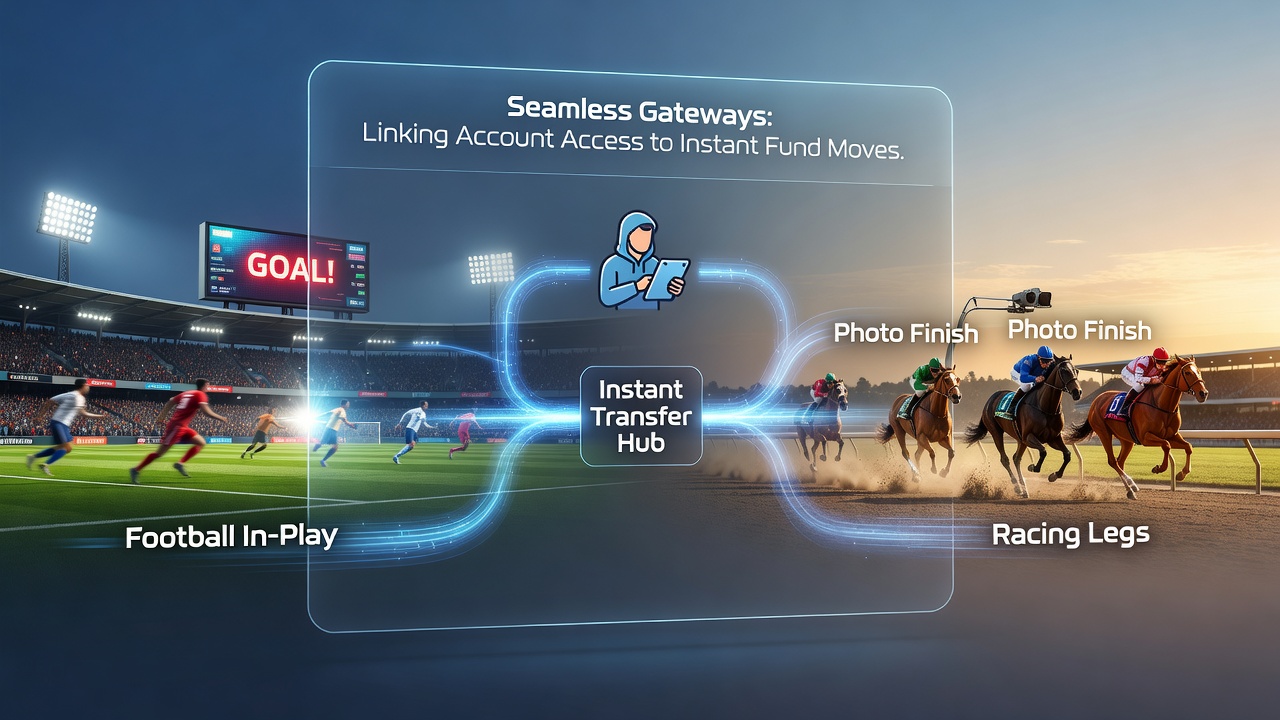
Horse racing legs demand quick responses between events, and gateways allow balance checks plus deposits while the next race forms. Casino streams operate on similar principles where live dealer tables and virtual games require uninterrupted access. Those monitoring platform metrics report that combined authentication and payment steps now complete in under three seconds on average, according to aggregated operator data released in 2026.
October 2026 brought updates to several European payment frameworks that standardized API connections between betting operators and financial institutions, and this change expanded gateway availability in markets outside the UK. Systems track user preferences to pre-authorize common transfer amounts, which speeds processing during high-intensity periods like sprint finishes or bonus rounds.
Regulatory and Security Considerations
Authorities in various jurisdictions require these gateways to include responsible spending controls that activate alongside transactions. The Netherlands Gaming Authority has issued guidelines on real-time verification standards that operators reference when building cross-border solutions. Security protocols encrypt both login data and fund instructions, and multi-factor checks occur without adding noticeable delays to the user flow.
Industry associations track adoption through quarterly surveys, and figures reveal steady growth in regions where mobile betting dominates. External links to research institutions provide additional context on how these systems evolve alongside consumer expectations for speed.
Market Data and Usage Patterns
Transaction logs from multiple operators demonstrate that seamless access points handle higher volumes during weekends when football fixtures overlap with racing schedules and casino peaks. Participants often move smaller amounts repeatedly rather than single large deposits, and the gateways accommodate this pattern by maintaining active sessions across different event types. Data from the Australian Communications and Media Authority shows comparable trends in regulated markets where similar technology has operated for several years.
Case examples include platforms that tested gateway rollouts during specific tournaments, after which daily active accounts rose without proportional increases in support queries. The connections between account verification and payment execution rely on standardized protocols that reduce errors during simultaneous events.
Conclusion
Seamless gateways continue to link authentication processes with instant fund movements across football in-plays, racing legs, and casino streams as operators refine these tools in response to technical standards and participant behavior. Information from regulatory bodies and research centers documents ongoing refinements that maintain compliance while supporting continuous access. These developments reflect broader shifts in digital payment infrastructure that apply across live entertainment formats.